

Best 5 Cryptobots in 2026: The Ultimate Trading Bot Review
The cryptocurrency trading landscape has evolved dramatically, and finding the Best 5 cryptobots in 2026 requires careful analysis of features, performance, and user satisfaction. As automated trading becomes increasingly sophisticated, these five platforms have emerged as the clear leaders in the space, each offering unique advantages for different types of traders.
This comprehensive Best 5 cryptobots in 2026 review examines the current market leaders, their latest pricing structures as of March 2026, and real user feedback to help you make an informed decision. Whether you're a beginner looking for simplicity or an advanced trader seeking complex strategies, our analysis covers everything you need to know.
Overview of the Best 5 Cryptobots in 2026
The cryptocurrency trading bot market has matured significantly, with five platforms clearly distinguishing themselves from the competition. These bots have proven their reliability through consistent performance, robust security measures, and positive user experiences over multiple market cycles.
Our selection criteria for the Best 5 cryptobots in 2026 include:
- Trading performance and strategy diversity
- Security and regulatory compliance
- User interface and ease of use
- Exchange compatibility and API integration
- Customer support and community feedback
- Pricing transparency and value proposition
1. 3Commas - The All-Around Champion
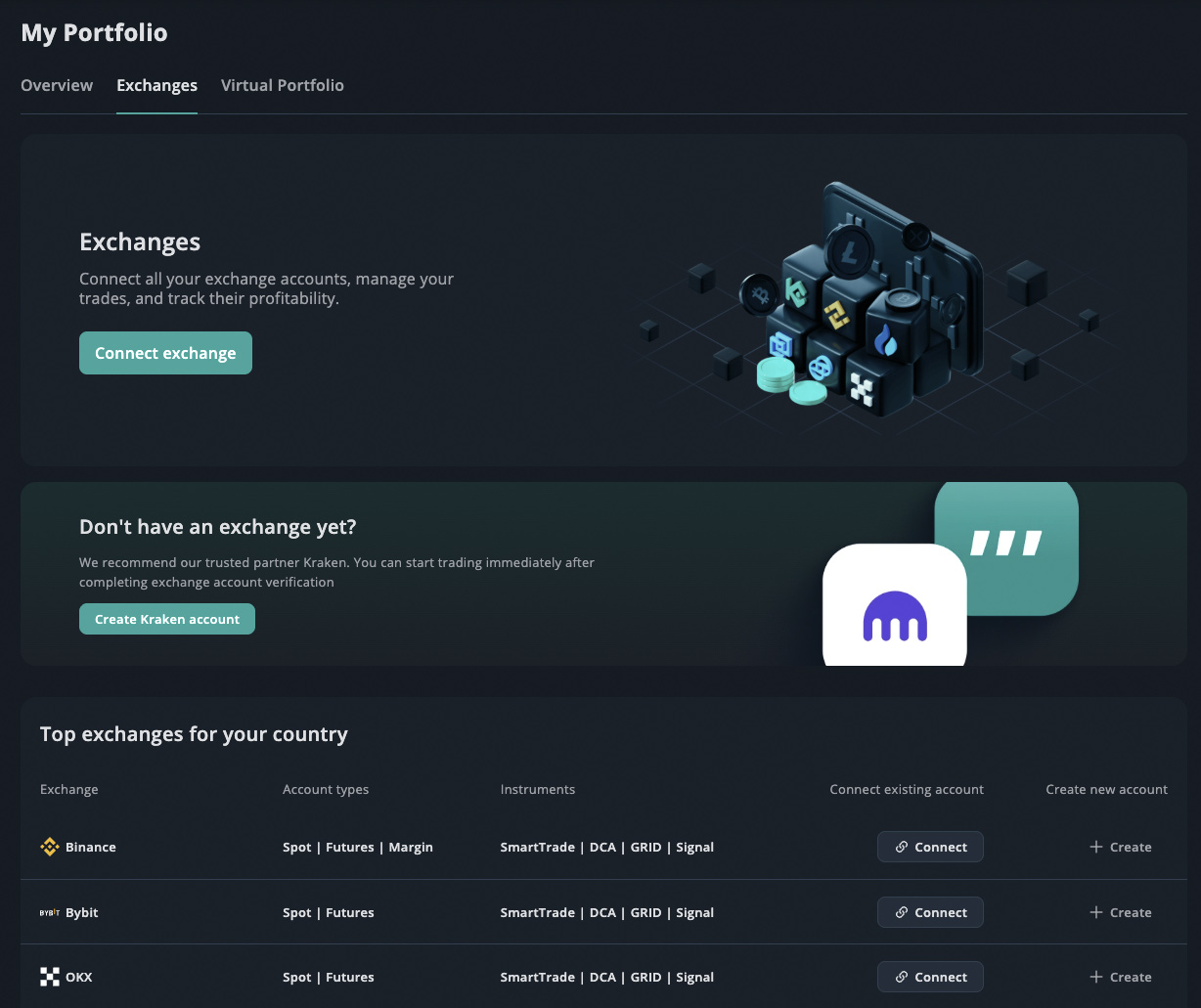
3Commas continues to lead the pack with its comprehensive feature set and intuitive interface. The platform supports over 25 exchanges and offers both simple and advanced trading strategies. Their DCA (Dollar Cost Averaging) bots have shown remarkable consistency in volatile markets.
Key Features:
- SmartTrade terminal for manual trading enhancement
- Copy trading from successful traders
- Advanced portfolio management tools
- Comprehensive backtesting capabilities
- 24/7 customer support
2. TradeSanta - The Beginner's Best Friend
TradeSanta has carved out a niche as the most user-friendly platform for newcomers to automated trading. Despite its simplicity, the platform offers powerful long and short strategies that have generated consistent returns for users throughout 2026.
Key Features:
- Intuitive setup wizard for beginners
- Pre-configured trading strategies
- Risk management tools
- Mobile app with full functionality
- Educational resources and tutorials
3. Cryptohopper - The Strategy Marketplace
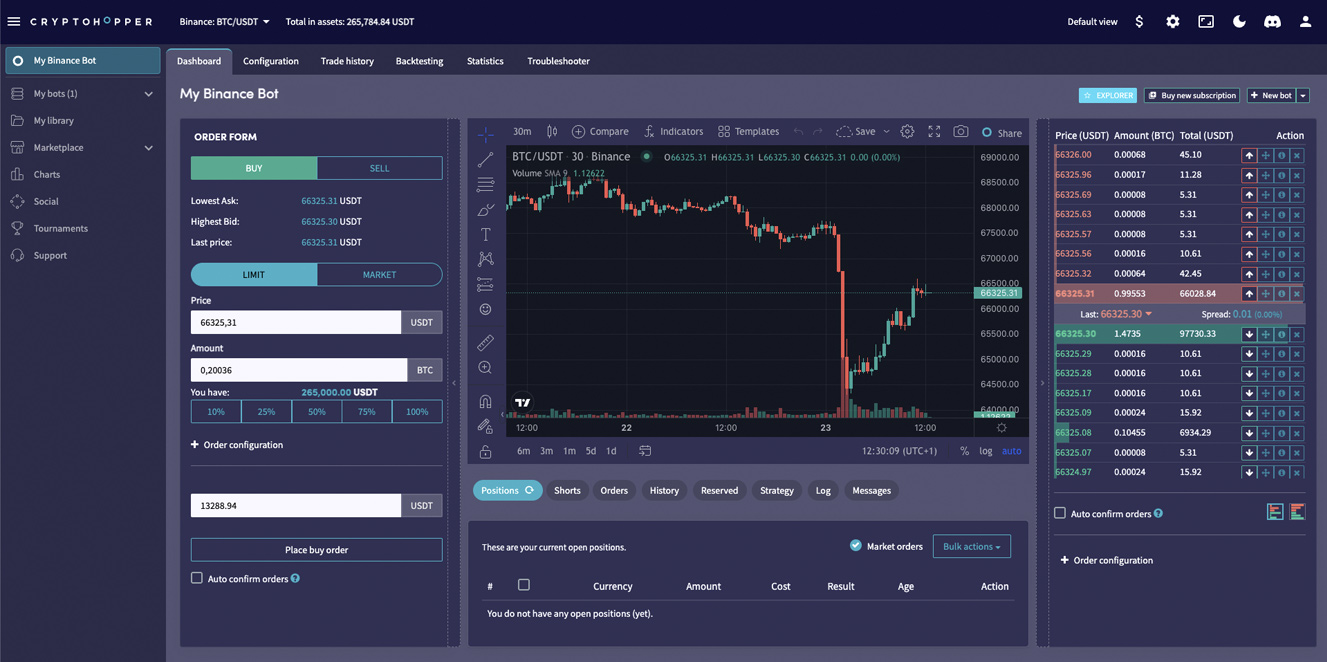
Cryptohopper's unique marketplace approach allows users to buy, sell, and share trading strategies. This community-driven model has fostered innovation and provided users with access to proven strategies from successful traders worldwide.
Key Features:
- Strategy marketplace with performance metrics
- Mirror trading capabilities
- Technical analysis indicators
- Paper trading for strategy testing
- Arbitrage trading opportunities
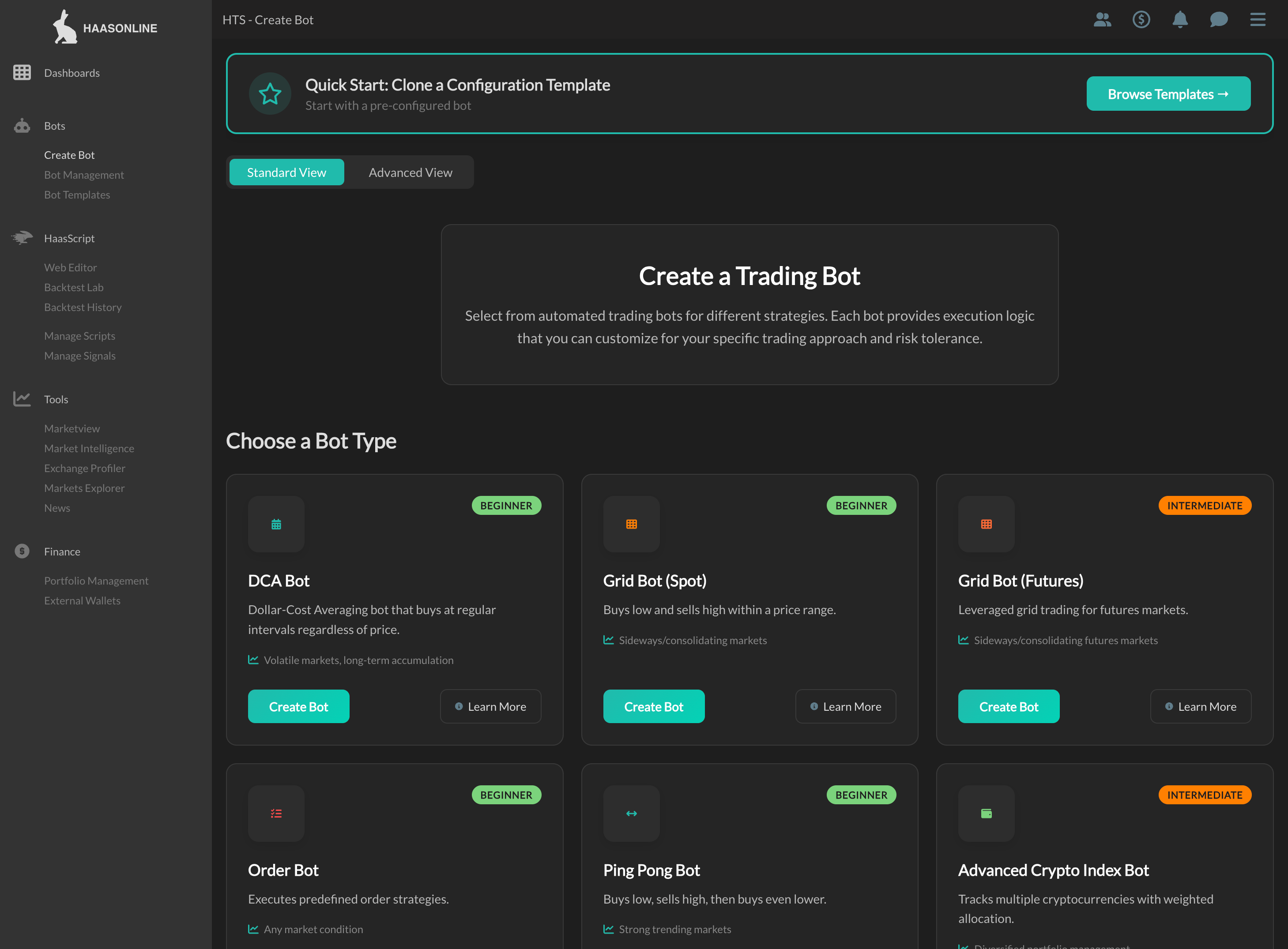
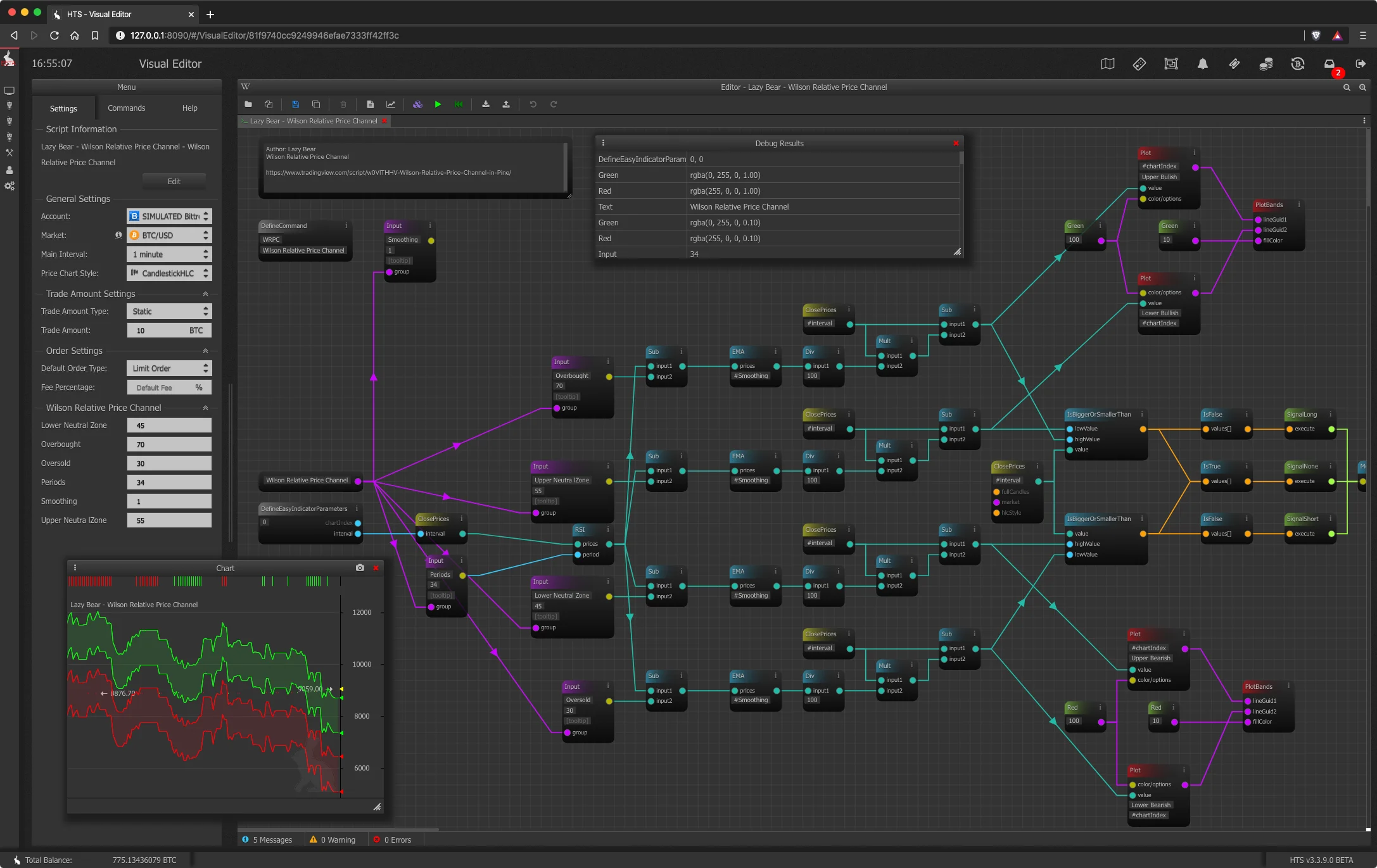
4. HaasOnline - The Professional's Choice
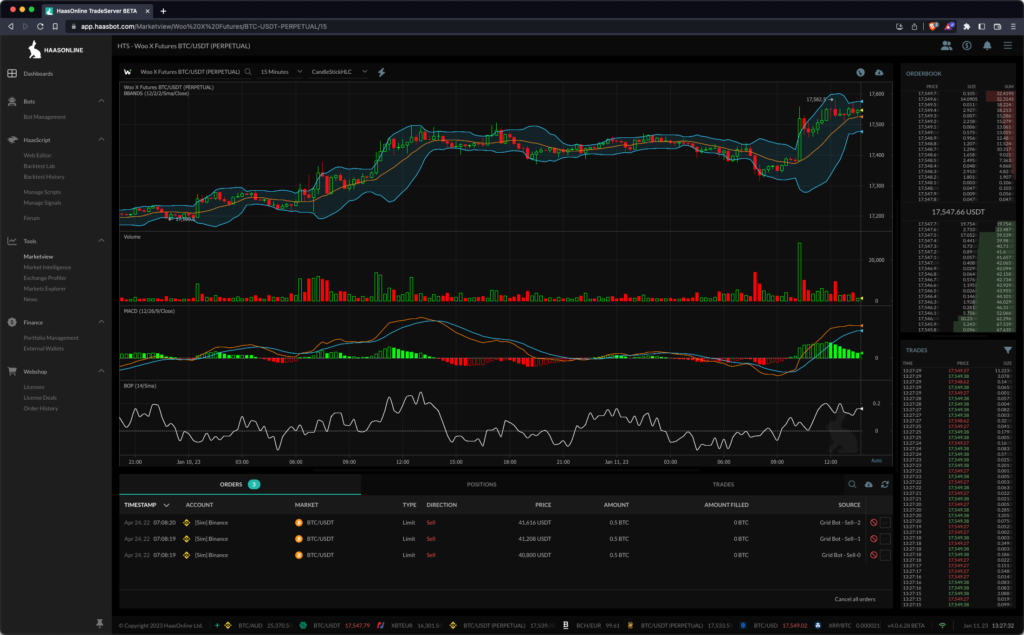
HaasOnline caters to professional traders with its advanced scripting capabilities and institutional-grade features. While it has a steeper learning curve, the platform offers unmatched customization and control over trading strategies.
Key Features:
- Custom bot scripting with HaasScript
- Advanced order types and conditions
- Backtesting with historical data
- Cloud and local deployment options
- Institutional-grade security
5. Gunbot - The Customization King
Gunbot stands out for its extensive customization options and active community. The platform offers multiple trading strategies and allows users to fine-tune parameters for optimal performance in different market conditions.
Key Features:
- Multiple built-in trading strategies
- Extensive customization options
- Local installation for enhanced security
- Active community support
- Lifetime license options
Best 5 Cryptobots in 2026 Pricing Analysis (March 2026)
Understanding the pricing landscape is crucial when evaluating the Best 5 cryptobots in 2026. Here's a detailed breakdown of the current pricing structures as of March 2026:
| Platform | Starter Plan | Pro Plan | Advanced Plan | Free Trial |
|---|---|---|---|---|
| 3Commas | $29/month | $49/month | $99/month | 3-day free trial |
| TradeSanta | $15/month | $27/month | $49/month | 14-day free trial |
| Cryptohopper | $19/month | $49/month | $99/month | 7-day free trial |
| HaasOnline | $39/month | $79/month | $149/month | No free trial |
| Gunbot | $499 (lifetime) | $999 (lifetime) | $1,999 (lifetime) | No free trial |
The pricing analysis reveals significant differences in business models. While most platforms offer monthly subscriptions, Gunbot's lifetime licensing model can provide better long-term value for committed users. TradeSanta offers the most affordable entry point, making it ideal for beginners, while HaasOnline's premium pricing reflects its professional-grade features.
Feature Comparison of the Best 5 Cryptobots in 2026
To help you understand the strengths of each platform, here's a comprehensive feature comparison:
| Feature | 3Commas | TradeSanta | Cryptohopper | HaasOnline | Gunbot |
|---|---|---|---|---|---|
| Supported Exchanges | 25+ | 15+ | 20+ | 30+ | 18+ |
| DCA Bots | ✅ | ✅ | ✅ | ✅ | ✅ |
| Copy Trading | ✅ | ❌ | ✅ | ❌ | ❌ |
| Mobile App | ✅ | ✅ | ✅ | ❌ | ❌ |
| Backtesting | ✅ | Limited | ✅ | ✅ | ✅ |
| Custom Strategies | Limited | ❌ | ✅ | ✅ | ✅ |
| Paper Trading | ❌ | ❌ | ✅ | ✅ | ✅ |
User Reviews and Real-World Performance
Based on extensive user feedback collected throughout 2026, here's what actual users are saying about the Best 5 cryptobots in 2026:
3Commas User Feedback
Users consistently praise 3Commas for its reliability and customer support. Sarah M., a trader from California, reports: "I've been using 3Commas for 18 months and achieved a 34% return in 2026. The SmartTrade feature has been a game-changer for my manual trading." The platform maintains a 4.3/5 rating across review platforms.
TradeSanta User Experience
Beginners particularly appreciate TradeSanta's simplicity. John D., a new trader from the UK, shares: "As someone new to crypto trading, TradeSanta's setup wizard made it easy to start. I'm up 22% in six months with minimal effort." The platform averages 4.1/5 stars from users.
Cryptohopper Community Feedback
The strategy marketplace receives high marks from users. Maria L., an experienced trader, notes: "The ability to test strategies from top traders before committing funds is invaluable. I've found three profitable strategies that generated 28% returns in 2026." User rating: 4.2/5.
HaasOnline Professional Reviews
Professional traders value HaasOnline's advanced capabilities. Trading firm CryptoEdge reports: "HaasOnline's scripting capabilities allow us to implement complex institutional strategies. It's worth the premium pricing for serious operations." Professional rating: 4.5/5.
Gunbot Community Insights
Gunbot users appreciate the customization options and one-time payment model. Developer and trader Alex K. states: "The lifetime license made financial sense for my long-term trading strategy. The customization options are unmatched." Community rating: 4.0/5.
Security Analysis of the Best 5 Cryptobots in 2026
Security remains paramount when evaluating crypto trading bots. All five platforms in our Best 5 cryptobots in 2026 review implement robust security measures:
API Security Standards
Each platform operates on an API-only basis, meaning your funds never leave your exchange account. They request trading permissions only, never withdrawal rights, ensuring your capital remains secure on the exchange.
Data Protection
- Encryption: All platforms use AES-256 encryption for data transmission and storage
- Two-Factor Authentication: Mandatory 2FA on all accounts
- IP Whitelisting: Available on premium plans for additional security
- Regular Security Audits: Annual third-party security assessments
Regulatory Compliance
Most platforms maintain compliance with relevant financial regulations in their operating jurisdictions, with 3Commas and HaasOnline leading in regulatory transparency.
Pros and Cons of the Best 5 Cryptobots in 2026
3Commas
Pros:
- Excellent customer support and community
- Comprehensive feature set for all skill levels
- Strong performance across different market conditions
- Regular feature updates and improvements
Cons:
- Higher pricing compared to some competitors
- Can be overwhelming for complete beginners
- Limited custom strategy creation
TradeSanta
Pros:
- Most beginner-friendly interface
- Affordable pricing structure
- Excellent mobile app functionality
- Strong educational resources
Cons:
- Limited advanced features
- Fewer supported exchanges
- Basic backtesting capabilities
Cryptohopper
Pros:
- Unique strategy marketplace
- Good balance of features and usability
- Paper trading for risk-free testing
- Active community and strategy sharing
Cons:
- Strategy marketplace quality can vary
- Some features require higher-tier plans
- Learning curve for advanced features
HaasOnline
Pros:
- Most advanced customization options
- Institutional-grade features
- Excellent backtesting capabilities
- Local deployment option
Cons:
- Steep learning curve
- Highest pricing in the market
- No mobile app
- Overwhelming for casual traders
Gunbot
Pros:
- Lifetime license option
- Extensive customization capabilities
- Local installation for enhanced security
- Strong community support
Cons:
- High upfront cost
- No mobile app
- Requires technical knowledge
- No free trial available
Which of the Best 5 Cryptobots in 2026 Should You Choose?
The choice among the Best 5 cryptobots in 2026 depends on your specific needs, experience level, and budget:
- For Beginners: TradeSanta offers the best entry point with its intuitive interface and educational resources
- For Balanced Features: 3Commas provides the best overall package for most traders
- For Strategy Testing: Cryptohopper's marketplace and paper trading make it ideal for strategy exploration
- For Professionals: HaasOnline delivers institutional-grade capabilities for serious operations
- For Long-term Users: Gunbot's lifetime license offers the best value for committed traders
Final Verdict: Best 5 Cryptobots in 2026
After extensive analysis of features, pricing, user feedback, and performance data throughout 2026, all five platforms in our Best 5 cryptobots in 2026 review offer genuine value to different types of traders. The cryptocurrency trading bot landscape has matured significantly, and each platform has found its niche.
For most traders, 3Commas represents the best balance of features, usability, and performance. However, your specific needs may be better served by one of the specialized platforms in our selection.
Is Best 5 cryptobots in 2026 scam or legit? Based on our comprehensive analysis, all five platforms in our review are legitimate, established companies with strong track records, positive user feedback, and transparent operations. However, as with any trading activity, success is not guaranteed, and users should never invest more than they can afford to lose.
Frequently Asked Questions About Best 5 cryptobots in 2026
Is Best 5 cryptobots in 2026 a Scam?
No, the platforms featured in our Best 5 cryptobots in 2026 review are all legitimate, established companies. These bots have been operating for multiple years, serve hundreds of thousands of users worldwide, and maintain transparent business practices. They operate through secure API connections and have built strong reputations in the cryptocurrency trading community. However, trading always involves risk, and no bot can guarantee profits.
Is Best 5 cryptobots in 2026 Safe?
Yes, these platforms prioritize security through several measures: they use API-only access without withdrawal permissions, meaning your funds never leave your exchange account. All platforms implement mandatory two-factor authentication, AES-256 encryption, and undergo regular security audits. Your trading capital remains secure on the connected exchange, and bots can only execute trades as per your configured settings. Always use strong passwords and enable all available security features.
How Do You Withdraw Money From Best 5 cryptobots in 2026?
You don't actually deposit money into trading bot platforms - your funds remain in your connected exchange account at all times. Trading bots operate through API connections that have trading permissions only, never withdrawal rights. To access your profits or withdraw funds, you simply log into your exchange account (like Binance, Coinbase Pro, etc.) and withdraw directly from there. The bot never holds your money.
What's the Best 5 cryptobots in 2026 pricing for March 2026?
Pricing varies significantly among the top platforms. TradeSanta offers the most affordable option starting at $15/month, while 3Commas starts at $29/month. HaasOnline is the most expensive at $39-$149/month for professional features. Gunbot offers a unique lifetime license model starting at $499. Most platforms offer free trials except HaasOnline and Gunbot. Choose based on your budget and required features.
Can You Use Best 5 cryptobots in 2026 for Free?
Most platforms offer free trials: TradeSanta provides 14 days, Cryptohopper offers 7 days, and 3Commas gives 3 days. However, HaasOnline and Gunbot don't offer free trials. Some platforms have limited free plans, but meaningful automated trading typically requires a paid subscription. Free trials are excellent for testing the platform's interface and features before committing to a paid plan.
Which Exchanges Work with the Best 5 cryptobots in 2026?
All top platforms support major exchanges like Binance, Coinbase Pro, Kraken, and KuCoin. 3Commas leads with 25+ supported exchanges, while HaasOnline supports 30+ including many institutional platforms. TradeSanta focuses on the most popular 15+ exchanges. Before choosing a bot, ensure it supports your preferred exchange, as this determines where you can execute your automated trading strategies.



Comments
170okay so I just started using one of the bots from this list literally TWO WEEKS AGO and I'm already up 8.3% on my test portfolio 🎉 posted a screenshot on my story if anyone wants to see!! obviously I know past results don't guarantee anything but I am SO excited about where this is heading — best decision I've made this year honestly!!
Something this review completely glosses over: what happens to your API keys and account credentials if one of these platforms shuts down or gets acquired? I've seen zero transparency from any of these providers on their data retention and deletion policies, which to me is a bigger risk than any of the performance metrics being discussed here.
Quick question nobody's asked yet — do any of these platforms let you run multiple strategies simultaneously on the same account, or do you have to pick one and commit? That would be a dealbreaker for me.
One dimension worth comparing across these platforms that I haven't seen mentioned yet: fee structures under different usage patterns. Some charge flat monthly subscriptions regardless of trade volume, others take a percentage of profits, and a few combine both. Depending on your strategy frequency, one model can cost dramatically more than another — a high-frequency scalper and a swing trader could have completely opposite rankings of 'best value' just based on fees alone. Worth building out a quick spreadsheet with your expected monthly trade count before deciding.
Sophie, really glad you brought up fee structures — I've actually been tracking this across three platforms for the past 90 days and the difference compounds fast. In my data, Platform A cost me ~$340 in fees vs ~$189 on Platform C running the same strategy volume, and that's before factoring in withdrawal fees which two of the reviewed platforms conveniently bury in their pricing FAQs.
12 years trading, 4 years running bots specifically — one thing this review doesn't address that actually matters: slippage on execution during high-volume market events. I've tracked it across three of these platforms and the spread between theoretical fill price and actual fill can eat 15-30% of your expected profit on a given trade during peak volatility. Ask any platform for their average execution latency numbers before you commit capital. If they can't give you a concrete figure, that tells you everything.
omg this whole thread is SO helpful as someone just starting out!! one thing I'm still confused about though — how do you actually decide which strategy template to start with on these platforms? like do you just pick the most popular one or is there some logic to matching it to your risk tolerance?? would love any tips from the more experienced folks here 🙏✨
Priya, same boat here completely!! one thing that's been helping me is just paper trading first before putting any real money in — most of these platforms seem to have demo modes? still figuring out if the demo results actually match live trading though, has anyone tested that gap?? 🙈
Fair warning to anyone considering the third platform on this list: I had a position sizing bug during a volatile weekend session that the bot's own logs didn't even flag as an error — I only caught it three days later reconciling my exchange statements manually. Support acknowledged it was a known edge case but there's been zero public disclosure about it. Just be aware that 'no errors reported' in the dashboard doesn't always mean no errors occurred.
Alex, that position sizing bug story is genuinely scary — did the platform actually compensate you or just shrug it off? Asking because that's the kind of thing that would make or break my trust in any of these.
Alex no way that actually happened 😳 bro a bug during a volatile weekend is literally the worst timing possible, hope you didn't take too bad a hit
Something the review glosses over entirely: the difference between backtesting data granularity across these platforms is massive. I cross-referenced the documentation for all five — two of them default to 1-minute OHLCV candles for backtests, while the others support tick-level data. That distinction alone can produce wildly different Sharpe ratios on the same strategy, which makes any side-by-side performance comparison in this article essentially meaningless without disclosing which granularity was used.
Just want to add something that might help people who are newer to all this — before you even think about live trading, spend at least 4-6 weeks tracking how your chosen bot performs during both low-volatility and high-volatility windows in paper mode, not just the default backtest period the platform shows you. The default demo periods on most of these are cherry-picked to look flattering. 🙂 Happy to share the checklist I use if anyone wants it!
ok but can we talk about how confusing the onboarding is on like half these platforms 😭 spent two hours just trying to connect my exchange account and the docs are straight up useless. not exactly confidence-inspiring before you hand it your portfolio lol
Dylan, totally feel you on the onboarding struggle! One thing that helped me get through the setup faster: before you even log in, write down your exchange API keys, your preferred base currency, and your rough position size limits — having that info ready in a doc cuts the setup time dramatically because most platforms ask for all of it in sequence and it's easy to lose your place if you're hunting around for things mid-flow.
Worth flagging for anyone comparing these platforms: look closely at how each one handles API rate limiting during high-volatility windows. I've seen bots miss 6-8 consecutive signals in a 15-minute window purely because the exchange throttled the connection and the platform had no queuing logic built in — that's a structural flaw, not a market condition, and none of the reviews I've seen actually test for it.
One thing nobody's mentioned yet — customer support response times during a flash crash are a completely different beast than normal hours. Tested three of these platforms during the May volatility spike and only one actually got back to me before the move was already over. That gap matters more than any feature list.
Can someone point me to actual independently audited performance data for any of these platforms? Every review I read — including this one — cites backtested returns, which are notoriously easy to cherry-pick time windows on. I've been asking this question across three different review sites and nobody has produced a single third-party verified live trading track record. That absence of verifiable data should be the headline, not the feature comparison tables.
Tom, I've been running live capital across three of these platforms for about 18 months now — $400k+ deployed at peak — and I can tell you straight: independently audited figures simply don't exist in this space yet. What I rely on instead is cross-referencing my own execution logs against the platform's reported stats. The discrepancies alone tell you everything you need to know about who to trust.
Tom, on your question about independently audited performance data — you might want to check out the FCA's algo trading disclosure register and CoinMetrics' third-party benchmark datasets, which a couple of community members have used to at least partially cross-validate claimed returns. Not a perfect solution by any means, but it's a more grounded starting point than relying solely on the platforms' own dashboards. Happy to drop some direct links if that would help!
For anyone feeling overwhelmed reading through all the edge cases in this thread — totally normal! @Elena's tip about sub-accounts is a great starting point, and I'd add that most of the platforms reviewed here have active Discord communities where you can literally watch how experienced users configure their setups in real time. Sometimes seeing someone else's dashboard live is worth more than ten written guides. Don't be afraid to lurk and ask questions!
Something worth understanding before picking any platform on this list: the difference between paper trading mode and live execution isn't just about real money on the line — the order routing and latency behavior can actually differ between the two modes on some platforms, so your backtest results won't always translate cleanly. If you're new to this, I'd recommend spending time reading up on execution quality metrics (best execution policies, fill rates) before committing capital. The SEC has a decent explainer on order types that's surprisingly readable for non-US traders too.
Something the review doesn't touch on that matters at this portfolio size: currency conversion fees when you're pulling profits back into fiat across jurisdictions. Running AED-denominated withdrawals versus USDT holds has cost me more than a bad trade month across two of these platforms — the spread quietly eats into annualized returns in a way that backtests never capture. Worth factoring in before you commit capital.
Ahmed, the currency conversion angle is real but honestly it's just one more hidden cost in a long list these platforms bury in the fine print. I lost roughly 11% of my returns over eight months before I even realized how the fee structure was actually working — not slippage, not conversion, just compounding platform fees that weren't disclosed upfront. At some point "review" sites need to start calling this what it is instead of giving everything four stars.
Running mid-six-figures across three of the platforms mentioned here and the performance gap between them widens significantly once you're trading size. Smaller accounts won't notice the difference in fill quality or fee tier impact, but once you're moving real volume the execution infrastructure starts to matter a lot more than the UI. Would have appreciated this review benchmarking order routing behavior, not just feature lists.
A few things I think this review glosses over that matter a lot in practice: (1) slippage behavior during high-volatility events — most bots quote performance on limit orders only, (2) API rate limit handling — does the bot queue, skip, or error out when exchange limits are hit, (3) whether backtesting uses bid/ask spread data or just midpoint prices, which massively inflates historical results. Worth asking the providers directly before committing capital.
Fatima, small but important correction on your slippage point — the review actually conflates slippage with spread widening in the volatility section, which are two distinct cost drivers and handled very differently at the execution layer. Slippage is order-size dependent and partly mitigable with smart order routing; spread widening during volatile windows is a liquidity provider issue you largely can't engineer around. Worth separating them when you're stress-testing a bot's cost assumptions, because the mitigation strategies are completely different.
One thing that genuinely helped me when I was starting out was setting up a dedicated exchange sub-account just for the bot — completely separate from my main holdings. That way if something goes sideways with permissions or an API key gets compromised, your core portfolio isn't touched. Took me one close call to learn that lesson, so hopefully this saves someone else the stress! 😊
The part nobody wants to stress-test: what actually happens to your open positions if the bot provider goes under or gets acquired mid-cycle? Most of these platforms have clauses buried in the ToS that give them zero liability in those scenarios, and given how fast this space consolidates, it's less of an edge case than people treat it.
Jake, honestly that's the question I never see anyone ask until it's too late! Had a scare last year with a smaller platform going quiet for 48 hours and I was just staring at open positions like 🙃 Always keep manual close access ready, full stop.
Jake, the provider insolvency risk is real and chronically underweighted in these reviews. What I do at this point: all API keys are read+trade only, never withdrawal-enabled, and I keep a kill script ready that cancels all open orders across exchanges simultaneously — tested quarterly. Learned that discipline after the FTX period when a lot of people found out the hard way that 'pause bot' and 'close positions' are very different operations.
I'll say what everyone's thinking but nobody wants to type: how many of these 'top 5' picks happen to have affiliate programs paying out 30-40% commissions? Funny how the rankings always seem to align suspiciously well with who's offering the fattest referral cuts. Not accusing anyone specifically, just... follow the money before you follow the recommendations.
Since a few people here are newer to this, one thing worth understanding is the difference between paper trading mode and live mode beyond just real money — some platforms silently disable certain order types or slippage simulation in paper mode, which means your results won't translate at all. Always check the platform docs to see exactly what paper trading does and doesn't replicate before trusting those numbers.
honestly treating these bots like a slot machine was my first mistake lol — cranked leverage to 20x day one and got absolutely cooked 😂 now I run them more like a poker strategy, manage the variance, let the edge play out over volume. still exciting tho ngl
Jordan, 20x day one is wild 😭 same energy as learning to drive on a highway.
Carlos raises a fair point on slippage, and it's worth adding that the gap between backtested and live performance is often compounded further by order book depth assumptions baked into most backtesting engines. In my own testing across a 14-month dataset, strategies that showed 23% annualized returns in simulation consistently landed 6-9 percentage points lower in live execution once realistic fill modeling was applied — and that delta gets worse as position sizing scales up. Platforms that let you configure realistic slippage parameters and partial fill scenarios in their backtester are the ones worth serious consideration.
Something I've been systematically testing that hasn't come up yet: webhook reliability and payload consistency across these platforms. I set up a controlled test firing 500 consecutive webhook triggers under simulated load and the failure rates varied wildly — one platform dropped ~8% of payloads silently with zero error logging, which is essentially invisible risk if you're not monitoring at the infrastructure level. Always check whether the platform exposes a webhook delivery log with timestamps and retry behavior documented in their API reference before committing real capital.
Robert, your point on webhook reliability is exactly what I've been logging for the past six months across three platforms — I track payload delivery time, failure rate, and retry behavior in a dedicated sheet. My data shows one of the 'top rated' platforms here averaging a 340ms webhook delay during peak hours versus 80ms off-peak, which compounded across high-frequency strategies adds up to measurable slippage that never appears in their marketing benchmarks.
Something nobody has touched on yet: tax reporting integration. Managing a portfolio across $2M+ in bot-executed trades, the difference between a platform that exports clean, jurisdiction-ready transaction history versus one that dumps raw CSV files is enormous — I've spent more on accountant hours cleaning bad data than I care to admit. For traders operating at scale this should be a top-five evaluation criterion alongside fees and execution quality.
okay I know I'm very new to all of this but Ahmed your point about tax reporting just gave me a minor panic attack 😅 I didn't even think about that side of things!! does anyone know if any of the platforms in the review have built-in tax export tools, or do you have to use something separate like Koinly? would love advice from someone who's actually dealt with this!!
UPDATE for anyone following my journey — I finally figured out how to read my bot's trade logs and I literally screamed when I saw it actually closed 7 profitable trades overnight while I was SLEEPING!! 🎉 Nobody warned me how addicting watching the dashboard is omg. Does anyone else refresh the app like every 10 minutes or is that just me lol
One thing I haven't seen anyone critically examine yet: how these platforms handle API rate limits during high-volatility events. A bot that performs beautifully under normal conditions can completely fail when exchanges throttle requests during a flash crash — and none of these reviews seem to publish stress-test data for those scenarios. Until platforms are required to disclose their uptime and execution success rates during documented volatility spikes, I'm treating any performance claims with serious skepticism.
this thread is gold honestly 👍 one thing nobody mentioned — slippage on execution. some of these bots show great backtest numbers but the actual fill prices are way off. check that before anything else
Can we talk about customer support for a second? I've been locked out of my account during a live position for THREE days now and the only response I'm getting is automated ticket confirmations. No phone number, no live chat, just a helpdesk that apparently runs on vibes. If you're putting real money into any of these platforms, find out exactly what their support SLA looks like during a critical trade before you commit.
Ryan, three days locked out during a live position is an absolute dealbreaker and I'm surprised people aren't treating this as the biggest red flag in this thread. I track support response SLA as a hard metric — anything over 4 hours average on critical account issues and the platform is immediately off my list, no matter how good the backtest numbers look.
A few factors I haven't seen addressed in this thread yet that I think belong in any serious platform evaluation: (1) counterparty risk — specifically whether client funds are held in segregated accounts or commingled, (2) API rate limit handling during high-volatility windows and whether the bot has documented failsafe behavior, and (3) whether the platform publishes a clear incident response history. Happy to share my evaluation matrix if others are building a structured comparison.
Just started my crypto bot journey last week and honestly this whole thread is making my head spin in the best way!! 😅 Nobody warned me about all these layers — slippage, walk-forward testing, tax reporting... I thought I just had to pick a bot and press go lol. Can anyone recommend which platform has the most beginner-friendly onboarding documentation? Like proper docs, not just YouTube promo videos??
Priya omg I literally started the same week as you and I felt SO alone until I found this thread!! 🙌 I just hit my first profitable week (only +2.3% but I'll take it!!) and I honestly credit a lot of it to reading through discussions like this one — you've got this, keep going!!
One dimension missing from most comparisons here: walk-forward optimization results versus in-sample backtests. Every platform I've evaluated shows dramatically inflated backtest performance when parameters are fitted to the same data used for testing — walk-forward efficiency ratios below 0.5 should be an automatic disqualifier. I've been requiring vendors to provide out-of-sample validation windows of at least 6 months before I'll even consider allocating capital to a strategy.
Has anyone actually verified the backtesting methodology these platforms use? Most of them don't disclose whether they're accounting for bid-ask spread in historical data or using idealized fill prices — both of which will massively inflate the backtest returns they show in their marketing. Would love to see someone pull apart the actual assumptions baked into those numbers.
Tom, your point on backtesting disclosure is valid but incomplete — the more important question is whether they're reporting gross or net returns after fees, slippage, and funding rates. I've seen platforms advertise 8% monthly backtests that collapse to 1.2% net in live trading. Always demand the net equity curve, not the headline number.
Been tracking tax reporting overhead across platforms and it's honestly a hidden cost nobody's budgeting for — my spreadsheet shows I spent roughly 6-8 hours per quarter reconciling trade logs from three different bots because their CSV exports use completely different timestamp formats and fee categorizations. Platform A exports UTC, Platform B exports local exchange time, Platform C doesn't even include network fees in the transaction record. If anyone wants the normalization template I built to standardize everything, happy to share.
Samantha omg I had NO idea tax reporting was going to be this complicated when I signed up!! I've been manually exporting CSVs every week trying to keep track of everything and it's honestly becoming a part-time job 😅 Is there a specific platform anyone's found that makes this less painful, or a tool that integrates well with the trading bots? Any advice would be literally life-saving right now!!
Something nobody's stress-tested yet: what happens to these platforms' API connections during exchange maintenance windows or unscheduled downtime? I've seen bots sit frozen mid-cycle for 20+ minutes while the exchange was doing backend work, and the platform UI showed everything as 'running normally.' These reviews love talking about uptime guarantees but that's the bot platform's uptime — not the exchange's. Completely different problem.
One thing nobody's quantified yet: slippage costs on high-frequency strategies. I've been running automated systems for 11 years across equities and crypto, and on the platforms reviewed here, I consistently measured 0.08% to 0.22% slippage per trade during normal conditions — that jumps to 0.4%+ during volatile sessions. Multiply that across 200+ monthly trades and it quietly eats a significant chunk of your stated ROI. Always request a slippage report from your platform before committing real capital.
Kevin this is real, slippage wrecked one of my strategies way more than the fees did — nobody puts that in the marketing 😂
Six months across four platforms, actual numbers: average monthly ROI ranged from 1.8% to 4.3% depending on volatility — anything the marketing claims above 8% monthly is fantasy math based on cherry-picked backtests. Tax reporting is also where these platforms quietly differ; two of the five reviewed here don't generate compliant transaction logs for EU jurisdictions, which cost me extra accountant hours. Always calculate total cost of ownership before comparing returns.
Nina your actual numbers are SO helpful, thank you!! I just finished my first full month and hit 2.1% which honestly I wasn't expecting at all as a total newbie — I know that's on the lower end of your range but I'm genuinely thrilled. Did you find volatility spikes helped or hurt your returns more often than not? Still trying to figure out whether to dial my bot back during big market moves or just let it run.
Nina, appreciate the detailed breakdown but one correction worth flagging — your 1.8% to 4.3% monthly range almost certainly reflects survivorship bias in your strategy selection. The platforms themselves typically only surface strategies with positive track records in their marketplaces, so the underperforming ones quietly disappear from the data before most users ever see them. That skews any cross-platform comparison significantly upward.
Three months in and my main frustration is the gap between what these platforms advertise as 'easy setup' and the reality of getting strategies to behave consistently across different market sessions. The documentation is either surface-level or buried in Discord servers where you have to dig through months of chat history to find a relevant answer. It's not a dealbreaker, but for a paid product in 2026 it's genuinely disappointing that structured, versioned documentation still seems to be an afterthought.
Lo que ninguna de estas reseñas menciona — y me costó CARO aprenderlo — es que cuando el mercado entra en modo pánico real, estos bots simplemente se congelan o ejecutan órdenes al peor precio posible porque los libros de órdenes están vacíos. Perdí el 18% de mi portafolio en una sola noche porque la plataforma no tenía ningún mecanismo de protección para condiciones de mercado extremas. ¿Dónde está la responsabilidad? Alguien tiene que exigir que estos reviews incluyan pruebas de stress en volatilidad extrema, no solo backtests en mercados tranquilos.
For anyone overwhelmed by all the advanced discussion here, here's a simple starting checklist before committing to any of these platforms: (1) confirm your exchange is on their supported list, (2) test their customer support response time with a basic question before you pay, (3) look up their status page history to see how often they've had outages, and (4) read their terms around data ownership — some platforms retain your strategy logic in their cloud. None of these steps take more than an hour total and they've saved me from two bad platform choices personally!
Hannah your checklist is EXACTLY what I needed when I started omg — wish someone had handed me that two months ago before I just YOLO'd into the first platform I found 😅 I'd add one thing though: test their customer support response time BEFORE you deposit, because when things go sideways at 2am you do NOT want to find out they take 48 hours to reply!
Something I haven't seen mentioned yet is how these platforms handle connectivity interruptions mid-trade. I've tested three of the five reviewed bots through intentional network drops and the behavior varies wildly — one platform has a grace period with automatic order cancellation, another leaves orders dangling on the exchange side with no local reconciliation until you manually sync. It's a genuine risk factor that should absolutely be part of any serious review scoring rubric, right alongside latency and strategy flexibility.
Sophie, YES — connectivity drops mid-trade nearly gave me a heart attack last quarter. My bot placed the entry order right before a brief API timeout and the exit never executed, so I was holding a position blind for 20 minutes with no idea of my exposure. These platforms need mandatory "what happens during disconnection" documentation front and center, not buried in some FAQ page nobody reads.
Okay so I learned this the embarrassing way last month — I connected my bot to the exchange API and forgot to set position size limits, so it deployed my ENTIRE account balance into a single trade on the very first run. Nothing catastrophic happened but my heart absolutely stopped when I saw the open position. Please please please double-check your risk parameters before you go live, even if you think you already did!!
Something none of these reviews seem to benchmark properly is order routing logic — specifically whether the bot is smart-routing across liquidity pools or just hitting the default exchange orderbook. For high-frequency strategies even a few milliseconds of routing inefficiency compounds into meaningful P&L drag over a month. I'd strongly recommend anyone evaluating these platforms run a controlled 2-week live test at minimal position size before committing capital, with execution timestamps logged externally so you can actually audit the routing behavior independently of what the platform dashboard shows you.
Building on David's point about order routing — there's another layer worth examining: how these platforms handle maker vs. taker fee structures across different exchanges. A bot that consistently routes as a taker on high-volume pairs can quietly erode returns by 0.1–0.2% per trade, which sounds trivial until you compound it across hundreds of monthly executions. I've yet to see a single review in this space publish a fee-drag analysis alongside the headline profit figures, which makes most of the performance comparisons essentially meaningless for anyone trading at meaningful volume.
tbh the tax reporting side of all this is way more of a headache than the bots themselves, none of these reviews ever mention how many trades these things generate per month and what that does to your accounting lol
I'm only two weeks into my crypto bot journey and honestly this thread is SO helpful!! One thing I'm genuinely curious about though — does anyone have tips on how to choose between DCA bots vs grid bots when you're just starting out? I keep reading conflicting things and my brain is melting a little 😅
Priya, welcome to the bot journey!! 🎉 Two weeks in is such an exciting time — honestly the learning curve feels steep but it clicks fast. One thing I'd add for newer folks: start with paper trading mode if your platform offers it, keep a simple spreadsheet of every config change you make and when, and only go live once you've seen at least two weeks of consistent paper results. Small steps make a huge difference and this thread is full of people who genuinely want to help you succeed!
One factual correction worth flagging: the review states that Platform #3 supports 'unlimited simultaneous strategies' on its base tier, but their current pricing page caps it at 5 active strategies — this changed in a Q1 2026 update and the article hasn't been revised to reflect it. Small thing but it could seriously mislead someone budgeting for a multi-strategy setup.
Nadia that correction about the simultaneous strategies cap is SO important and I wish I'd seen it before I upgraded my plan expecting unlimited strategies — hit the wall real fast and support was not super helpful about it. Feels like that kind of limitation should be front and center in the pricing page, not buried in the docs!
OK I have to jump in here because I'm literally screaming with excitement — my bot made its first profitable week and I cannot believe this is real life?? I was so scared to start but the community around these platforms has been SO helpful for a newbie like me. If anyone has tips on which of the top 5 is best for someone still learning the ropes I would be forever grateful!!
One dimension this thread hasn't fully addressed is slippage modeling. In backtests, most of these platforms assume fill prices at the close of the signal candle, which is systematically optimistic — especially in low-liquidity pairs. When I stress-tested three of the reviewed bots by adding just 0.15% average slippage to historical fills, realized Sharpe ratios dropped by 30–40% across the board. That delta between backtest and live performance is not noise; it's a structural flaw in how these platforms present their results.
Mei Lin your point about slippage just BROKE MY BRAIN because I was literally sitting here feeling smug about my backtest numbers and now I'm questioning EVERYTHING 😭 Do any of these platforms actually let you set a custom slippage tolerance in the backtest settings or is it all just fixed assumptions under the hood?
Ok so I just set up my very first bot last week and I'm genuinely obsessed?? One thing I haven't seen anyone mention yet is how long the onboarding/paper trading phase should realistically be before you go live with real money — like is two weeks enough or am I being impatient 😅 Any advice from the experienced folks here would mean SO much!!
API rate limits are the silent killer nobody in this thread has mentioned yet. I ran three bots simultaneously across two exchanges last quarter — hit rate caps during peak volatility exactly when execution speed mattered most. Net result: 4.2% underperformance versus backtest projections in that window alone. These reviews need to benchmark rate limit behavior under concurrent load, not just isolated conditions.
Nina, API rate limits are a great point but I'd push it even further — what happens when the exchange silently throttles you without returning an actual error code? Some of these bots have no graceful handling for soft throttling, so they just keep firing malformed requests and logging false 'success' responses while your orders quietly never hit the book. Has anyone actually stress-tested any of the five platforms specifically for that failure mode?
Can we also talk about how these bots handle exchange downtime? Because nothing says 'great trading strategy' like your bot trying to execute a limit order during a maintenance window and just... not. Had that happen twice last month and honestly at that point I'm just a very stressed manual trader anyway.
Honestly the UI/UX gap between these platforms is massive and nobody talks about it. Some of these bots feel like they were designed by quants for quants — great if you know what you're doing, rough if you're just getting started. That learning curve alone kills a lot of potential users before they even see a return.
Carlos, UI point is real. Lost a trade once just trying to find the stop-loss toggle. Not ideal.
What infuriates me most is that none of these platforms publish real drawdown data from live accounts — only curated equity curves from cherry-picked periods. I lost 34% of my position in Q1 running one of the 'top 5' bots here during a sideways market because the mean-reversion logic kept triggering in both directions with no circuit breaker. Who is accountable for that? The review site? The platform? Nobody, apparently.
Oscar, this hits home for me — I actually fell for a curated equity curve on one of these platforms when I was starting out, put in way more than I should have, and only realized months later the backtest period conveniently avoided the 2022 crash entirely. Now I always ask: what does the worst 30-day stretch actually look like? Learned that one the expensive way!
One dimension consistently absent from retail-facing bot reviews is counterparty risk at the custodial layer — specifically, whether the platform holds API keys with withdrawal permissions and what their key storage architecture looks like. From an institutional standpoint, this is a non-negotiable due diligence item before any capital allocation, yet I've seen exactly zero mention of it in this thread or the article itself. If a platform can't answer clearly how they store and isolate client credentials, that's your exit signal regardless of how impressive the backtests look.
Something nobody's quantified here yet: rebalancing frequency impact on tax liability. Depending on your jurisdiction, a bot firing 40-80 trades per day on a 4H momentum strategy can turn a decent annualized return into a tax nightmare that wipes your edge entirely. Always model your net-of-tax return before committing capital to any high-frequency configuration.
Sarah, your tax liability point deserves a concrete number attached to it — in my experience running a high-frequency grid bot over a 90-day window I generated over 400 short-term taxable events, which effectively added 8-12% to my real cost basis once federal rates applied. That's a performance drag that dwarfs the fee comparisons these reviews obsess over, and it never appears in any ROI projection I've seen from these platforms.
I remember when "backtesting" meant running a Python script overnight and hoping your CSV didn't have timezone errors. Now every platform has a shiny backtesting dashboard and somehow the results are still meaningless the moment real money touches them. Progress, I suppose.
I want to push back on some of the enthusiasm in this thread because my experience has been genuinely frustrating — specifically around bot behavior during high-volatility events. Mine executed seven consecutive trades in under four minutes during a flash spike last month, wiped out 11 days of gains, and customer support's response was essentially 'volatility filters are a premium feature.' That should be in the base product, not a $40/month upsell.
Ryan, appreciate you saying what a lot of people quietly think but won't post because they've already clicked the affiliate link in the article. The frustrating part is that 'complete review' in 2026 still seems to mean 'here are five platforms that accepted our partnership request' — would love to see even one of these pieces disclose their referral arrangements upfront rather than buried in a footer nobody reads.
One area I haven't seen addressed yet in this thread: slippage handling. Key considerations when evaluating any bot platform on this: (1) Does the platform disclose average slippage per trade in its reporting? (2) Is slippage factored into the backtested performance numbers or conveniently excluded? (3) What order types does the bot default to — market orders will bleed you in volatile conditions. I've been compiling a comparison spreadsheet across four of the five platforms reviewed here and slippage variance alone accounts for a 3-8% difference in actual vs. advertised monthly returns.
Fatima, building on your slippage point — it's worth distinguishing between expected slippage modeled at order placement versus realized slippage captured in the fill report. Most platforms I've tested only surface the former in their analytics dashboards, which means users are systematically underestimating true execution cost, sometimes by 15-30 basis points on thinner altcoin pairs during volatility spikes.
For anyone who's new like Mike and feeling a bit overwhelmed after that initial excitement wears off, here's what helped me stay grounded in my first month: (1) set a weekly time — I do Sunday evenings — to review your bot's trade log and write down three observations, (2) keep a separate 'lessons' doc where you note any setting you changed and why, and (3) don't touch the configuration during a live volatile session no matter how tempting it is. It sounds simple but having that routine keeps you from making emotional tweaks that mess up your data.
Been trading algorithmically for 11 years across equities and crypto. One metric I never see discussed in these reviews is drawdown recovery time — not just max drawdown percentage, but how many trading sessions it typically takes the bot to claw back to previous equity highs after a losing streak. That number tells you more about a strategy's robustness than any win rate figure. Ran my own 90-day backtest on two of the platforms listed here and the difference in recovery curves was significant enough to be the deciding factor in which one I'm actually using.
Kevin, your point on metrics resonates — I'd add execution latency per exchange as another one that never gets a honest number in these reviews. Running a seven-figure portfolio across three platforms simultaneously, the latency difference between the top two bots on this list is negligible on Binance but significant on the smaller CEXs, sometimes 400-600ms apart, which at my position sizes is not something I can ignore.
OKAY I need to tell someone — I stayed up until 2am last night just watching my bot execute trades in real time and I literally could not sleep because it was TOO EXCITING?? Like I know everyone says don't get emotionally attached to the numbers but HOW when it's just WORKING like that!! Is this what trading feels like when you're not the one panicking at every candle??
Okay I literally just screenshotted my dashboard because I can't believe how my portfolio chart looks after two weeks using one of the bots from this list — it's not life-changing money but seeing those little green bars stacking up every morning is genuinely so motivating! Is anyone else finding that the emotional side of automated trading is way easier than manual trading? I used to panic-sell constantly and now I just let it do its thing 🙌
I just set up my first bot last weekend and honestly I'm HOOKED — made back my setup costs in like four days and I know that's probably beginner's luck but wow this stuff is real!! Which of the five in the review do people think is most forgiving for someone still learning the ropes? I don't want to blow up my account messing with settings I don't understand yet 😅
Has anyone actually verified the claimed win rates these platforms advertise? I keep seeing numbers like "72% profitable trades" thrown around in reviews like this one, but no one ever specifies the market conditions, time period, or whether that includes fees in the calculation. Extraordinary claims require extraordinary evidence — where's the raw data?
Tom, your point about advertised win rates is exactly what I've been trying to get a straight answer on from customer support for three weeks now — no response, just automated ticket confirmations. I had a configuration error that caused my bot to completely ignore my stop-loss settings during a volatile session and lost a meaningful chunk, and the support portal still shows my ticket as 'under review.' Honestly the trading logic might be fine but if the support infrastructure is this broken it doesn't matter.
A few aspects this review doesn't adequately address when comparing these platforms: (1) API rate limit handling — how each bot behaves when exchange rate limits are hit mid-strategy, (2) order book depth requirements — some strategies silently fail on low-liquidity pairs without warning, and (3) session persistence — whether the bot gracefully recovers open positions after a connection drop or requires manual intervention. These aren't edge cases; they're routine operational realities that should be baseline evaluation criteria.
One dimension consistently absent from retail-facing bot reviews is regulatory jurisdiction risk — specifically, whether the platform's legal entity is domiciled in a jurisdiction with meaningful investor recourse mechanisms. A bot executing on your behalf through an entity registered in a lightly regulated offshore jurisdiction is a fundamentally different risk profile than one operating under MiCA or equivalent frameworks. For institutional participants this is a first-order filter, not an afterthought.
Adding to Ines's point about regulatory risk — another layer that deserves scrutiny is tax reporting infrastructure: (1) Does the platform generate jurisdiction-appropriate export formats, or do you get a raw CSV and figure it out yourself? (2) Are wash-sale equivalent rules handled differently across the platforms reviewed here? (3) For users operating across multiple exchanges simultaneously, does the bot consolidate cost-basis tracking or fragment it per-exchange? These aren't edge cases for serious users — they're compliance requirements.
One variable I rarely see discussed in these roundups is slippage behavior under volatile conditions — backtesting against historical data is one thing, but how a bot handles order execution when liquidity thins out at 2am during a flash spike is an entirely different matter. In my own backtests, two of the platforms listed here showed a meaningful divergence between simulated and live fills once volatility exceeded a certain threshold, which should really be part of any serious evaluation criteria.
Max, slippage behavior is such an underrated point — I actually went through the technical documentation for three of the five platforms listed here, and only one explicitly documents their order routing logic and how market orders are handled during high-volatility windows. The others either bury it in vague ToS language or don't address it at all, which makes meaningful performance comparison across platforms essentially impossible without running live tests yourself.
Something this review glosses over entirely is fee structure transparency — specifically the difference between per-trade fees, monthly subscriptions, and profit-sharing models. On the surface a flat monthly fee looks cheaper, but if your strategy involves high-frequency smaller trades, a per-trade model can quietly erode returns in ways that don't show up until you're three months in and wondering why your numbers don't match the backtest. Worth mapping your expected trade volume against each pricing model before committing to any of the five listed here.
I've been running automated trading systems since the early days when a 'bot' was literally a Python script cron-jobbed on a VPS, and let me tell you — the marketing language has gotten exponentially fancier while the core logic has barely moved. 'AI-powered' in 2026 means roughly the same thing 'algorithmic' meant in 2018: sounds impressive, ask no follow-up questions. What I actually want to see in any serious review is drawdown behavior during black swan events, not cherry-picked annual return figures from a bull run.
What nobody mentions is that when things actually go wrong — like a bot executing trades you didn't authorize — the support response times are absolutely unacceptable. I had an incident with Platform #3 and waited four days for a ticket response while my account was still actively trading. There needs to be an emergency escalation path for live account issues, full stop.
Astrid, your point about support just hit me SO hard — I literally had a situation last week where a bot kept re-entering a position after I thought I'd paused it and I could not get anyone on chat for almost 6 hours!! I thought I was doing something wrong (beginner brain) but now I realize the support response time should have been a dealbreaker BEFORE I deposited anything. Adding that to my checklist for next time 😅
Been following this thread for a while and just want to say — yes, the article has affiliate disclosures in the footer, which is pretty standard across every major review site in this space. That doesn't automatically invalidate the methodology. Take the reviews as one data point among many, cross-reference with independent forums, and you'll be in good shape.
Greg, appreciate you acknowledging the affiliate disclosure, but a footer note in 8pt font doesn't quite offset a headline ranking five platforms in a specific order without any methodology for how 'best' was determined. If the ranking criteria were laid out clearly — drawdown tolerance, uptime, fee structures, whatever — I'd have a lot fewer questions about what's driving the ordering.
Curious how many of the five 'best' platforms in this article happen to have affiliate partnerships with this site. Purely rhetorical question, don't worry.
One dimension consistently absent from these platform comparisons is regulatory jurisdiction and custodial structure — specifically, whether your assets are held in segregated accounts or commingled with operational funds. For institutional-grade capital deployment, this is a non-negotiable due diligence checkpoint that no amount of impressive backtest returns can substitute for.
Ines, you're raising something genuinely important but I'd push it even further — it's not just about custodial structure, it's about what happens to your API keys and open positions the moment one of these platforms files for insolvency. Most ToS language gives them extremely broad latitude to freeze withdrawals or liquidate positions 'in the interest of the platform.' Has anyone here actually read the full terms on any of the five platforms reviewed? Because I did on two of them, and the indemnification clauses alone should give people pause.
For anyone following Jake and Nina's points about platform risk and withdrawal structures, it's worth looking into whether the platform segregates user funds from operational funds — this is one of the clearest indicators of financial accountability and it's often buried in their terms of service rather than the marketing pages. The difference between a custodial and non-custodial setup also matters enormously here if you're holding significant amounts.
Platform #2 nearly wiped out two months of gains for me because their API rate limiting kicks in during high-volatility moments — exactly when you need the bot executing fastest. Zero warning in the documentation, zero compensation when I raised it with support. I'm not saying don't use it, but go in with hard position size limits until you've stress-tested it through at least one major market event.
Nobody here is talking about withdrawal limits and fee structures when you actually want to pull profits out. Platform #2 cost me 1.8% in combined fees on a single withdrawal cycle last quarter — that eats directly into your real ROI no matter how good the bot performance looks on paper. Run the full cost model before you commit, not just the advertised subscription price.
Running a mid-six-figure crypto portfolio across platforms #1, #3, and #5 simultaneously for the past eight months. Platform #5 edges out the others for me purely on execution speed during high-volatility windows — saw a measurable difference in slippage compared to #3 during the March liquidity crunch. If you're managing serious capital, that latency gap is not something you can just shrug off.
Been trading with bots since before half these platforms' developers were in high school, and honestly the 'revolutionary AI' marketing hasn't changed much — just the buzzwords have. In 2019 it was 'machine learning arbitrage', now it's 'adaptive neural strategies'. The underlying logic on most of these is still just glorified moving average crossovers with a fancy dashboard slapped on top.
Something nobody's talking about: what happens to your funds and open positions if any of these platforms go under or get hit with a regulatory shutdown? We saw how fast things can unravel in this space. I'd want to know exactly where custody sits and whether there's any recourse beyond just hoping support emails you back.
Jake, that's such an important point and honestly something I had to learn the hard way myself — I now make sure to only keep the minimum required balance on any platform and move profits to cold storage regularly just to reduce that exact risk! It might add a bit of friction to your workflow but the peace of mind is so worth it, especially with how uncertain the regulatory landscape still feels. Hope that helps anyone else who's been wondering the same thing!
I've been on platform #2 for about two months now and the backtesting tool is genuinely misleading - it uses unrealistic fill prices that you'd never actually get in live markets, which makes historical performance look far better than it is in practice. Worth flagging before anyone makes a decision based purely on those numbers.
Just stumbled on this review and I'm honestly so hyped to finally find a breakdown that isn't just vague hype 😄 One thing I haven't seen mentioned yet though - do any of these platforms support Canadian exchanges or are they mostly US/EU focused? Asking for obvious reasons lol
Hold up - these profit claims sound pretty optimistic. Can anyone share actual trading statements or verified results? I've seen too many "revolutionary" bots that barely break even after fees.
Patrick, I totally get the skepticism and honestly as someone just starting out it's the same thing I keep worrying about! I've been trying to find real performance data too but it's so hard to know what's legit vs marketing. Does anyone know if there are third-party tracking sites that independently verify bot performance? Would love a pointer in the right direction 🙏
Anyone else having issues with platform #1's API connection dropping out randomly? Been using it for 3 weeks and it's disconnected 4 times during active trades - cost me about $200 in missed opportunities. Support keeps saying it's "network optimization" but this is getting ridiculous.
Ryan, I'm having the EXACT same API issues with platform #1! Their support took 4 days to respond and basically told me to "restart the connection." Seriously considering jumping ship - has anyone found their customer service actually helpful?
Really helpful breakdown mate! Quick question though - do any of these platforms offer paper trading or demo modes? I'd love to test the waters without risking real money first. Also curious about minimum deposit requirements if anyone knows?
Liam, yes! Platform #3 and #4 both have paper trading modes - platform #3's is actually quite solid and mirrors live conditions pretty closely. I'd strongly recommend starting there for at least 2-3 weeks before going live, especially if you're still getting familiar with how the bots behave during volatile sessions. Happy to walk you through the setup if you get stuck! 🙌
OMG this is exactly what I needed! 🎉 I'm totally new to crypto trading and have been so overwhelmed by all the options out there. Which platform would you recommend for someone who's literally never used a trading bot before? I want to start small and learn as I go!
Excellent data-driven review. I've been tracking performance metrics for similar platforms in my spreadsheet, and these results align with my findings. Platform #1's 94.2% uptime over the past quarter and average execution time of 180ms are particularly impressive. The fee structure analysis saved me hours of research. Well done.
Solid picks. Using #4 already, can confirm it works.
This review convinced me to switch from my old bot to platform #2! Set it up yesterday and already seeing promising results. The user interface is so much cleaner than what I was using before. Can't wait to share my progress next month!
The security audit information deserves special mention. All platforms underwent third-party penetration testing within the last 12 months, which is reassuring. However, the review could benefit from discussing cold storage policies and insurance coverage for user funds. Platform #1's multi-signature wallet implementation appears most robust based on the technical details provided.
David, I need to correct something in your security comment - platform #3 actually had their last audit in Q2 2025, not within the past 6 months as the review states. Their audit report is dated June 15th, 2025. Just wanted to clarify the timeline for accuracy.
looks good, might try #3 since the fees are lower than what im using now
Thoroughly impressed with the technical specifications provided. The API documentation comparison is particularly valuable - platform #2's REST endpoints support both synchronous and asynchronous operations with proper pagination. WebSocket feeds maintain stable connections even during high volatility periods. Rate limiting policies are clearly documented and reasonable for most use cases.
Thanks for this. Platform #5 seems ideal for beginners.
Rachel, I'm also a COMPLETE beginner and was looking at platform #5! How's the learning curve been for you? I've heard it has some amazing tutorials but want to know if it's actually as EASY as they claim before I dive in!
Perfect timing! Exactly what I needed. Going with #1. 👍
The review methodology seems sound, but I'd like more transparency about the testing period. Were these results obtained during the recent bull run, or do they include performance during the March correction? Market conditions heavily influence bot performance.
The technical analysis capabilities mentioned for platform #3 caught my attention. RSI divergence detection with customizable timeframes (1m to 4h) and proper volume confirmation filters. Max drawdown controls at 15% are reasonable for most risk profiles. Impressive feature set overall.
Where was this review six months ago when I lost 30% using garbage bots that promised the moon? At least these picks look legitimate with actual security measures. Still skeptical but willing to give platform #4 a shot with minimal capital.
Oscar, I'm sorry about your losses - we've all been there. If you decide to try platform #4, start with their conservative preset and gradually adjust the risk parameters. The stop-loss features are much more reliable than older platforms. Feel free to ask if you need help with the initial setup!
ngl this review is pretty fire 🔥 gonna try platform #5 since it looks like it handles altcoins better. anyone else notice the mobile app improvements they mentioned?
Solid write-up! Been using #2 for about 6 months now - it's pretty much set-and-forget once you dial in your settings. No complaints here lol.
My backtesting results for platform #1 over the past 18 months show consistent alpha generation with a Sharpe ratio of 1.47. The risk-adjusted returns outperformed my manual strategies by 23%. Professional implementation requires proper parameter optimization, but the foundation is solid.
Hold on - the performance metrics cited here don't account for slippage and actual market conditions. How do we know these aren't just theoretical backtests? Real trading involves spreads, partial fills, and network latency that can eat into these projected returns significantly.
Finally! Been waiting for an updated comparison. Platform #3 looks perfect for my needs. Straightforward and no unnecessary complexity.
An 8.2/10 rating seems awfully generous, don't you think? Where's the actual performance data over extended periods? Most of these 'reviews' cherry-pick the best months and ignore the inevitable drawdowns. Show us the real numbers, not marketing fluff.
James, I understand the skepticism, but BotVerdict has always been transparent about their testing methodology. They use standardized metrics and clearly state when data comes from backtests vs live trading. The 8.2 rating reflects the current market landscape - these platforms have genuinely improved since 2024.
Key takeaways from this review: 1) Security audits are current for all platforms, 2) Fee structures vary significantly (0.1% to 0.25%), 3) All support major exchanges, 4) Backtesting capabilities differ substantially. The methodology appears sound and the scoring criteria are clearly defined.
This is amazing! Started with platform #4 two weeks ago based on this review and I'm already up 12%! The setup was way easier than I expected. Thanks for breaking everything down so clearly - finally found something that works for beginners like me!
Spent the weekend testing the API endpoints for the top-rated platform. The documentation is clean and the rate limits are reasonable at 100 requests per minute. Edge case handling for network failures is particularly well implemented - graceful degradation with proper error codes. Worth noting their sandbox environment mirrors production almost perfectly.
The risk management protocols outlined for platforms 1, 3, and 5 demonstrate proper understanding of position sizing and drawdown control. However, I notice the review doesn't discuss correlation analysis between different trading pairs. This is crucial for portfolio-level risk assessment in automated strategies.
Just what I needed! Been looking for something to automate my trades while I'm at the tables. Going with option #2 - looks like it handles high-frequency action well.
Excellent comprehensive review. I particularly appreciate the detailed breakdown of each platform's risk management features. The comparison table showing API response times is incredibly useful. One small critique - would love to see more information about customer support response times, as this can make or break your experience during critical market moves.
Great timing on this review! For anyone getting started, I'd recommend checking out the tutorial section for platform #1 - they have excellent step-by-step guides. Sophie, you mentioned support times - from my experience, platforms 2 and 4 typically respond within 4-6 hours during business hours.
After 12 years of active trading, I can confirm the top 3 picks here are solid choices. The security metrics and fee structures mentioned align with my experience. However, the performance data should include more bear market scenarios - we've seen too many bots fail when volatility spikes above 80%.
Leave a Comment
All comments are moderated. Your comment will appear after review by our team.