
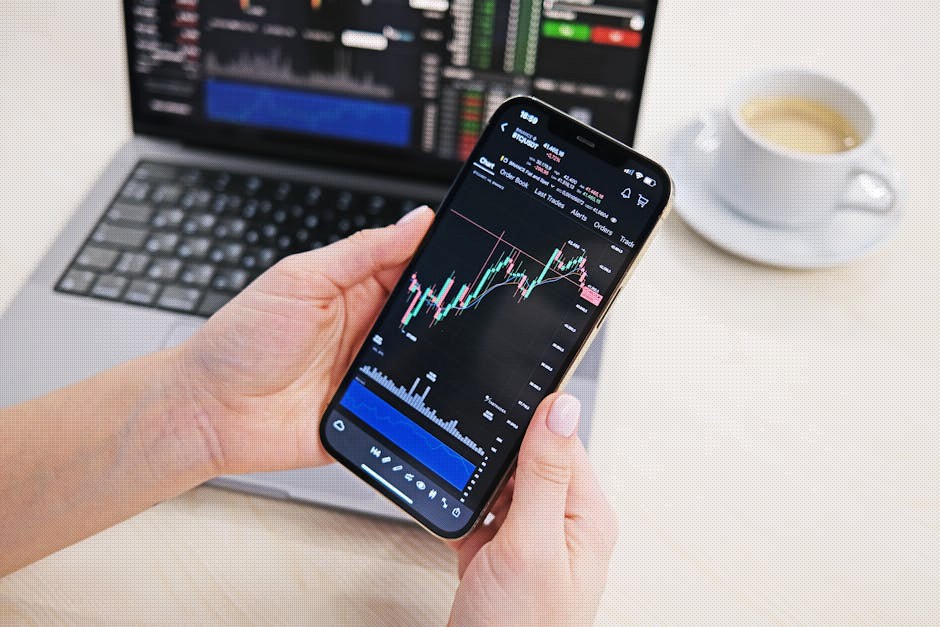
What are crypto trading bots? Crypto trading bots are automated software programs designed to execute cryptocurrency trades on your behalf, using predefined strategies and algorithms to analyze market conditions and make trading decisions without requiring constant human intervention. These sophisticated tools have revolutionized how both novice and experienced traders approach the volatile cryptocurrency market.
In 2026, automated crypto trading has become increasingly accessible to retail investors, with platforms like 3Commas, Cryptohopper, and Pionex leading the charge in democratizing algorithmic trading. Whether you're a complete beginner or an experienced trader looking to optimize your strategy, understanding how crypto bots work is essential for navigating today's 24/7 digital asset markets.
How Do Crypto Trading Bots Work?
Understanding how trading bots work is crucial before diving into automated crypto trading. At their core, crypto trading bots operate through a systematic process that connects directly to cryptocurrency exchanges via Application Programming Interfaces (APIs).
API Integration: The Foundation of Bot Trading
Every crypto trading bot connects to exchanges through APIs, which act as secure communication channels between the bot and the exchange. When you set up a bot on platforms like Pionex or 3Commas, you'll typically need to:
- Generate API keys from your chosen exchange
- Configure permissions (usually trading and viewing, but never withdrawal)
- Connect the API keys to your bot platform
- Set up your trading strategy parameters
This API connection allows bots to access real-time market data, analyze price movements, and execute trades instantly based on your predetermined criteria. The bot never has access to withdraw your funds, maintaining security while enabling automated trading.

The Bot Decision-Making Process
Once connected, crypto bots follow a continuous cycle:
- Data Collection: The bot gathers market data including price, volume, order book depth, and technical indicators
- Analysis: Using predefined algorithms, the bot analyzes this data against your strategy parameters
- Decision Making: Based on the analysis, the bot decides whether to buy, sell, or hold
- Execution: If conditions are met, the bot places orders on the exchange automatically
- Monitoring: The cycle repeats continuously, with the bot adjusting to new market conditions
Main Types of Crypto Trading Bots
The crypto bot landscape offers various specialized tools for different trading strategies. Here are the main types of crypto trading bots available in 2026:
Grid Trading Bots
Grid bots are among the most popular crypto trading bots, especially for sideways markets. These bots place multiple buy and sell orders at predetermined intervals above and below the current market price, creating a "grid" of orders.
How Grid Bots Work:
- Set a price range and number of grid levels
- Bot places buy orders below current price and sell orders above
- Profits from price fluctuations within the range
- Automatically rebalances as orders are filled
Platforms like Pionex have made grid trading accessible with user-friendly interfaces and preset strategies. Grid bots work best in ranging markets but can struggle during strong trending moves.
Dollar-Cost Averaging (DCA) Bots
DCA bots implement the dollar-cost averaging strategy by making regular purchases regardless of price. This approach helps reduce the impact of volatility over time.
DCA Bot Features:
- Regular interval purchases (daily, weekly, monthly)
- Fixed dollar amounts or percentage-based investments
- Automated portfolio rebalancing
- Long-term wealth building focus
3Commas offers sophisticated DCA bots that can adjust buying frequency based on market conditions, making them ideal for long-term investors who want to automate their accumulation strategy.
Arbitrage Trading Bots
Arbitrage bots exploit price differences for the same cryptocurrency across different exchanges. These bots simultaneously buy low on one exchange and sell high on another, profiting from the price differential.
Types of Arbitrage:
- Simple Arbitrage: Basic price differences between exchanges
- Triangular Arbitrage: Exploiting price discrepancies between three different cryptocurrencies
- Statistical Arbitrage: Using mathematical models to identify temporary price inefficiencies
While potentially profitable, arbitrage bots require significant capital, fast execution, and careful consideration of trading fees and withdrawal limits.

Signal-Based Trading Bots
Signal-based bots execute trades based on external trading signals from analysts, algorithms, or technical indicators. These bots are popular among traders who want to follow expert strategies without manual execution.
Cryptohopper excels in signal-based trading, offering:
- Integration with popular signal providers
- Customizable signal filters and risk management
- Backtesting capabilities for signal strategies
- Community-driven signal sharing
Copy Trading Bots
Copy trading bots automatically replicate the trades of successful traders. This approach allows beginners to benefit from experienced traders' expertise while learning about different strategies.
Copy Trading Benefits:
- Learn from experienced traders
- Diversify across multiple trading styles
- Automated portfolio management
- Performance tracking and analytics
Comparison of Crypto Trading Bot Types
| Bot Type | Best Market Conditions | Complexity Level | Capital Requirements | Profit Potential |
|---|---|---|---|---|
| Grid Bots | Sideways/Ranging | Medium | Medium | Steady, moderate |
| DCA Bots | Long-term growth | Low | Low | Long-term appreciation |
| Arbitrage Bots | Any (inefficient markets) | High | High | Low risk, consistent |
| Signal Bots | Depends on signals | Medium | Medium | Variable |
| Copy Trading | Depends on copied trader | Low | Low-Medium | Mirrors copied trader |
Advantages of Using Crypto Trading Bots
Automated crypto trading offers several compelling advantages that have made trading bots increasingly popular among retail and institutional investors alike.
24/7 Market Coverage
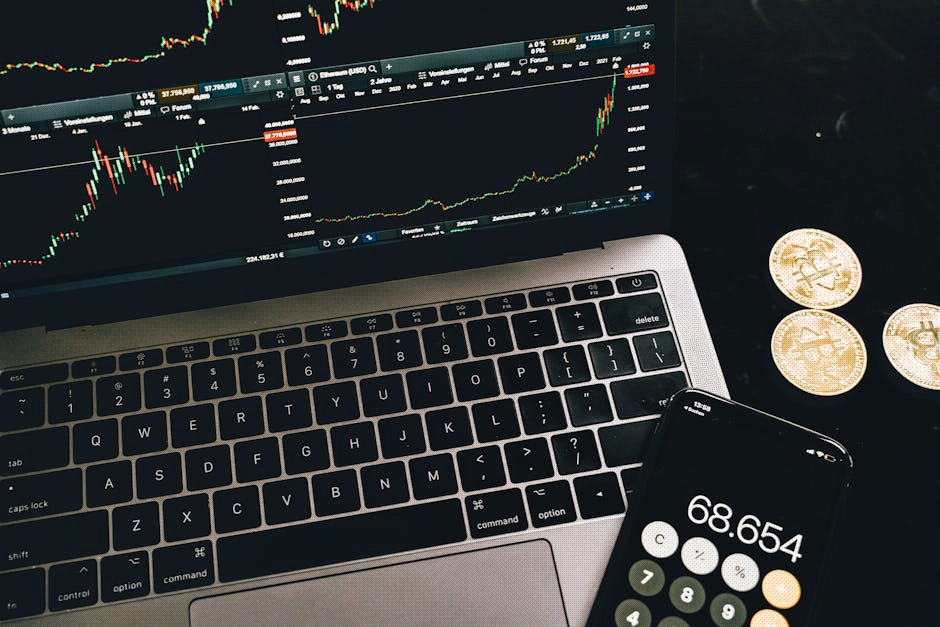
Unlike traditional stock markets, cryptocurrency markets never close. Crypto trading bots provide continuous market monitoring and can execute trades even while you sleep. This constant vigilance ensures you never miss profitable opportunities due to time zone differences or personal schedules.
Emotion-Free Trading
One of the biggest challenges in manual trading is managing emotions like fear, greed, and FOMO (fear of missing out). Bots execute trades based purely on predefined logic, eliminating emotional decision-making that often leads to poor trading outcomes.
Faster Execution Speed
Crypto markets move incredibly fast, and milliseconds can mean the difference between profit and loss. Trading bots can analyze market conditions and execute trades in fractions of a second, far faster than any human trader.
Backtesting Capabilities
Most professional bot platforms allow you to backtest strategies using historical data. This feature helps you understand how your chosen strategy would have performed in past market conditions, providing valuable insights before risking real capital.
Consistency and Discipline
Bots maintain consistent trading discipline, following your strategy parameters exactly without deviation. This consistency helps maintain a systematic approach to trading that many manual traders struggle to achieve.
Portfolio Diversification
Advanced bot platforms enable you to run multiple strategies simultaneously across different cryptocurrencies and time frames, providing natural diversification that would be impossible to manage manually.
Disadvantages and Risks of Crypto Trading Bots
While crypto trading bots offer significant advantages, they also come with notable risks and limitations that every trader should understand.
Technical Complexity
Setting up and optimizing trading bots requires technical knowledge and understanding of trading strategies. Beginners often struggle with parameter configuration, leading to suboptimal performance or losses.
Market Risk and Volatility
Bots cannot predict black swan events or sudden market crashes. During extreme volatility, even well-designed bots can incur significant losses. The crypto market's inherent volatility amplifies both potential gains and losses.
Over-Optimization Risk
It's easy to over-optimize bot settings based on historical data, creating strategies that worked well in the past but fail in current market conditions. This "curve fitting" problem is common among inexperienced bot users.
Security Concerns
Using trading bots requires sharing API keys with third-party platforms, introducing potential security risks. While reputable platforms like 3Commas and Cryptohopper implement strong security measures, the risk of API key compromise always exists.
Platform Dependency
Your trading success becomes dependent on the bot platform's reliability, uptime, and continued operation. Platform outages or service discontinuation can disrupt your trading strategy.
Hidden Costs and Fees
Beyond subscription fees, bot trading often involves additional costs including exchange fees, slippage, and potential tax complications from frequent trading.
Who Should Use Crypto Trading Bots?
Understanding whether automated crypto trading suits your situation is crucial for success. Here are the profiles of traders who typically benefit most from crypto trading bots:
Ideal Candidates for Bot Trading
Busy Professionals: People with limited time to monitor markets but who want exposure to crypto trading opportunities. Bots handle the day-to-day trading while you focus on your primary career.
Systematic Traders: Individuals who prefer rule-based approaches and have difficulty maintaining trading discipline manually. Bots excel at following predetermined strategies without deviation.
Long-term Investors: Those implementing DCA strategies or systematic rebalancing can benefit from automation. Platforms like Pionex offer simple DCA bots perfect for this approach.
International Traders: People who want to trade across multiple time zones or on exchanges in different regions benefit from 24/7 automated monitoring.
Strategy Experimenters: Traders interested in testing multiple strategies simultaneously or backtesting ideas before manual implementation.
Learning-Oriented Beginners
Beginners can use crypto trading bots as educational tools, but should start with simple strategies like DCA or copy trading. The key is beginning with small amounts and gradually increasing exposure as you understand the mechanics.
Who Should NOT Use Crypto Trading Bots
Certain trader profiles may be better served by manual trading or should avoid bot trading entirely:
Complete Beginners Without Basic Knowledge
If you don't understand basic trading concepts, market dynamics, or risk management, jumping into automated trading can be dangerous. Bots amplify both good and bad decision-making.

Emotional or Impulsive Traders
Traders who frequently override their strategies or cannot resist tinkering with bot settings may undermine automation benefits. The temptation to constantly adjust parameters often leads to worse outcomes.
Those Seeking Guaranteed Profits
Anyone expecting bots to guarantee profits or eliminate risk should avoid automated trading. Crypto trading bots are tools that can improve efficiency and consistency, but cannot eliminate market risk.
Insufficient Capital
Effective bot trading often requires sufficient capital to handle drawdowns and maintain diversified positions. With very small accounts, subscription fees may exceed potential profits.
Regulatory or Tax Complexity
In some jurisdictions, automated trading creates complex tax situations or regulatory compliance issues. Traders in such situations should consult professionals before implementing bot strategies.
Getting Started with Crypto Trading Bots in 2026
If you've determined that crypto trading bots align with your goals and risk tolerance, here's a practical roadmap for getting started:
Step 1: Education and Strategy Selection
Before choosing a platform, decide on your primary strategy:
- Long-term accumulation (DCA bots)
- Range trading (Grid bots)
- Signal following (Signal-based bots)
- Copy trading for learning
Step 2: Platform Evaluation
Research platforms based on your strategy needs:
- 3Commas: Comprehensive features, strong DCA and signal capabilities
- Cryptohopper: Excellent signal integration and community features
- Pionex: Built-in exchange with free grid and DCA bots
Step 3: Start Small and Test
Begin with a small portion of your crypto portfolio (5-10%) and simple strategies. Most platforms offer paper trading or simulation modes for risk-free testing.
Step 4: Monitor and Optimize
Track performance regularly but avoid over-optimization. Make gradual adjustments based on longer-term performance trends rather than short-term fluctuations.
Security Best Practices for Crypto Bot Trading
Security should be your top priority when using crypto trading bots. Follow these essential practices:
API Key Management
- Never share API keys with unauthorized parties
- Disable withdrawal permissions on trading API keys
- Use unique, strong passwords for all accounts
- Enable two-factor authentication (2FA) everywhere possible
- Regularly rotate API keys as a security precaution
Platform Selection
Choose established platforms with strong security track records. Look for features like:
- SSL encryption for all communications
- Cold storage for any platform-held funds
- Regular security audits and transparency reports
- Responsive customer support

The Future of Crypto Trading Bots
As we progress through 2026, several trends are shaping the evolution of automated crypto trading:
Artificial Intelligence Integration
AI and machine learning are becoming more prevalent in trading bot algorithms, enabling more sophisticated pattern recognition and adaptive strategies.
Institutional Adoption
Traditional financial institutions are increasingly embracing crypto trading bots, bringing institutional-grade tools to retail platforms.
Regulatory Clarity
Clearer regulations in major markets are providing more certainty for bot traders and platform operators, fostering innovation and adoption.
Cross-Chain Trading
Advanced bots are beginning to operate across multiple blockchains, providing opportunities in the expanding DeFi ecosystem.
Frequently Asked Questions
Are crypto trading bots profitable?
Crypto trading bots can be profitable, but success depends on market conditions, strategy selection, and proper configuration. They are tools that can improve consistency and execution speed, but cannot guarantee profits. Most successful bot traders combine multiple strategies and maintain realistic expectations about returns while managing risk carefully.
How much money do I need to start using trading bots?
You can start crypto bot trading with as little as $100-$500, though $1,000 or more provides better diversification options. Consider that platform subscription fees typically range from $10-50 monthly, so your capital should be sufficient to make the fees worthwhile. Start small and scale up as you gain experience and confidence.
Do I need programming knowledge to use crypto trading bots?
No programming knowledge is required for most modern crypto trading bot platforms. Services like 3Commas, Cryptohopper, and Pionex offer user-friendly interfaces with preset strategies and drag-and-drop configuration. However, basic understanding of trading concepts and technical analysis will significantly improve your success rate.
Can crypto trading bots lose money?
Yes, crypto trading bots can definitely lose money. They are subject to the same market risks as manual trading, including volatility, sudden price movements, and changing market conditions. Bots cannot predict market crashes or guarantee profits. Proper risk management, including stop-losses and position sizing, is essential for long-term success.
How do I choose between different types of crypto trading bots?
Choose crypto trading bots based on your experience level, time availability, and market outlook. DCA bots suit long-term investors, grid bots work well in sideways markets, and signal-based bots are good for following expert strategies. Copy trading is ideal for beginners who want to learn while earning. Consider starting with one type and expanding as you gain experience.
Are crypto trading bots safe to use?
Crypto trading bots from reputable platforms are generally safe when used properly. The main risks include API key security, platform reliability, and market volatility. To stay safe, use established platforms, never share withdrawal permissions on API keys, enable two-factor authentication, and start with small amounts. The bots themselves don't hold your funds - they only execute trades on connected exchanges.





Comments
28Grid bots work best in sideways markets. Bull runs mess them up.
Had nothing but problems with bot trading. My DCA bot kept buying during obvious downtrends, and when I tried to adjust the settings, it took hours to update. Customer service was useless. Maybe I picked the wrong platform, but this stuff isn't as automated as advertised.
Ryan, sounds like you needed better stop losses! I run my DCA with tight risk management - yeah it costs more in fees but beats losing my shirt in a crash.
I noticed a small error in the section discussing grid trading intervals - the example calculation doesn't account for slippage during high volatility periods. While this doesn't affect the overall quality of the guide, precision in technical examples is important for educational content. Otherwise, this is a well-researched piece that covers the fundamentals effectively.
While this is a solid introduction, I'm disappointed that it doesn't address some common pitfalls I've encountered. Specifically, how bots handle network outages or when exchanges change their API without warning. I've lost money due to these issues, and new users should be aware of these risks before diving in.
Ben brings up excellent points about infrastructure risks. For anyone interested in learning more about API stability and bot resilience, I'd recommend checking out the exchange status pages and understanding their maintenance schedules. Most quality bot providers have built-in failsafes, but it's worth understanding how they work. Here's a helpful resource on API best practices for crypto trading.
lol crypto bots sound like the lazy trader's dream 😂 but seriously, good writeup. might try one of these DCA things
The technical documentation referenced in this guide aligns well with the official API specs I've reviewed from major exchanges. However, I noticed the article doesn't address webhook reliability or rate limiting issues that can affect bot performance during volatile periods. These infrastructure considerations are crucial for anyone planning to run bots 24/7.
For complete beginners, I'd recommend following these steps: 1) Read this entire guide twice, 2) Start with paper trading for at least a month, 3) Begin with a simple DCA strategy using only 1-2% of your portfolio, 4) Keep detailed records of every trade and outcome. Don't rush the process - automated trading still requires manual oversight and adjustment.
Interesting how the article doesn't mention any potential downsides of the recommended bot platforms. Are these genuine reviews or paid partnerships? I'd appreciate more transparency about any affiliate relationships that might influence these recommendations.
Good overview but wish there was more on fees. Those small percentages add up quick.
Rachel's absolutely right about fees - they can eat into profits faster than you'd expect. I learned this the hard way with high-frequency grid bots. The article does mention this, but it's worth emphasizing that you need to factor in both bot fees and exchange trading fees when calculating potential returns. Still, when done right, bots can be incredibly helpful for maintaining discipline.
I've been comparing the API documentation between different bot platforms, and there are significant differences in execution speed and order types supported. The article touches on this briefly, but it's worth noting that some bots can't handle advanced order types like OCO or trailing stops. Anyone doing serious volume should test latency during high volatility periods.
ngl this whole bot thing seems kinda sus but the article explains it pretty well. might give it a shot with like $100 just to see what happens 🤷♂️
decent guide but could use more real examples tbh. all this theory is nice but show me some actual bot setups and results
Maria, I totally get that! For anyone wanting real examples, I've put together some beginner-friendly bot configurations on my blog. The key is starting with simple strategies before getting fancy. Camila, your point about starting small is so important - I see too many newcomers risk money they can't afford to lose.
Just started using a DCA bot last month after reading similar guides, and I'm already seeing some positive results! 📈 Nothing crazy, but steady small gains that I never would have achieved with manual trading. The hardest part was actually setting up the API keys - took me forever to figure out the permissions.
The guide does a good job explaining basic concepts, but I'd like to see more discussion of advanced metrics like Sharpe ratio, maximum drawdown, and win rate analysis. For anyone serious about bot trading, you need to track performance beyond just total returns. Market conditions change, and bots that work in trending markets often fail in ranging or bear markets.
I'm still skeptical about the whole automated trading concept. The article mentions consistent profits, but crypto markets are notoriously unpredictable. Has anyone here actually made money long-term with these bots, or is it just another way for exchanges and bot providers to profit from retail traders?
How exactly does this site verify the performance claims made by different bot providers? Some of these platforms show unrealistic returns that don't account for market conditions or fees. I'd like to see more transparency in the evaluation methodology before trusting any recommendations.
Tom raises valid concerns about verification, and that's something BotVerdict takes seriously. The team actually runs live tests with real capital rather than just relying on promotional materials from bot companies. While no review site is perfect, I've found their testing approach to be more thorough than most. Jake's point about extreme market conditions is also spot-on - no bot can predict everything.
While the guide is comprehensive, I'm curious about edge cases that aren't covered. What happens during flash crashes or when exchanges halt trading? Most bots aren't designed to handle extreme market conditions, and that's when you can lose the most money. The article makes automated trading sound safer than it actually is.
As someone who made every rookie mistake in the book, I love how this guide emphasizes starting small! I initially put way too much capital into my first bot and learned the hard way about position sizing. The section on paper trading is gold - I wish I had done that first instead of jumping straight into live trading. My biggest lesson was not understanding how volatile crypto markets can be compared to traditional assets.
I wish this article had covered more about what happens when bots malfunction or when exchanges have downtime. I've had issues with my trading bot continuing to place orders during maintenance windows, and the customer support from most bot providers is absolutely terrible. Would be helpful to know how to handle these technical problems before they cost you money.
Great article for someone like me who's just getting started! Quick question though - when it mentions API keys, how do I know which exchanges have the most reliable APIs for bot trading? Also, are there any free bots that you'd recommend for beginners to test the waters before committing to paid solutions?
Liam, I had the same questions when I started! From my research, Binance and Coinbase Pro seem to have the most stable APIs. As for free bots, 3Commas has a limited free tier that's perfect for testing. Just don't expect all the advanced features 😊 Has anyone tried the newer decentralized trading bots?
This is actually a well-structured guide that breaks down the complexity of crypto trading bots into digestible sections. I appreciate how the article distinguishes between different bot types - DCA bots, grid trading bots, and arbitrage bots each serve distinct purposes. The explanation of risk management parameters is particularly valuable for beginners who might otherwise jump in blindly. However, I think the guide could have spent more time on backtesting methodologies and how to evaluate bot performance over different market conditions.
David makes excellent points about the technical depth. For anyone starting out, I'd definitely recommend beginning with the simpler DCA strategies before moving to grid trading. I've been using bots for about two years now and can share some config examples if people are interested. The key is really understanding your risk tolerance and not over-leveraging.
Leave a Comment
All comments are moderated. Your comment will appear after review by our team.